Verbal and non-verbal communication, active listening and feedback, handling difficult conversations, and clear patient and family communication.
Self-awareness and self-regulation, empathy in the workplace, stress management techniques, and developing stronger interpersonal relationships.
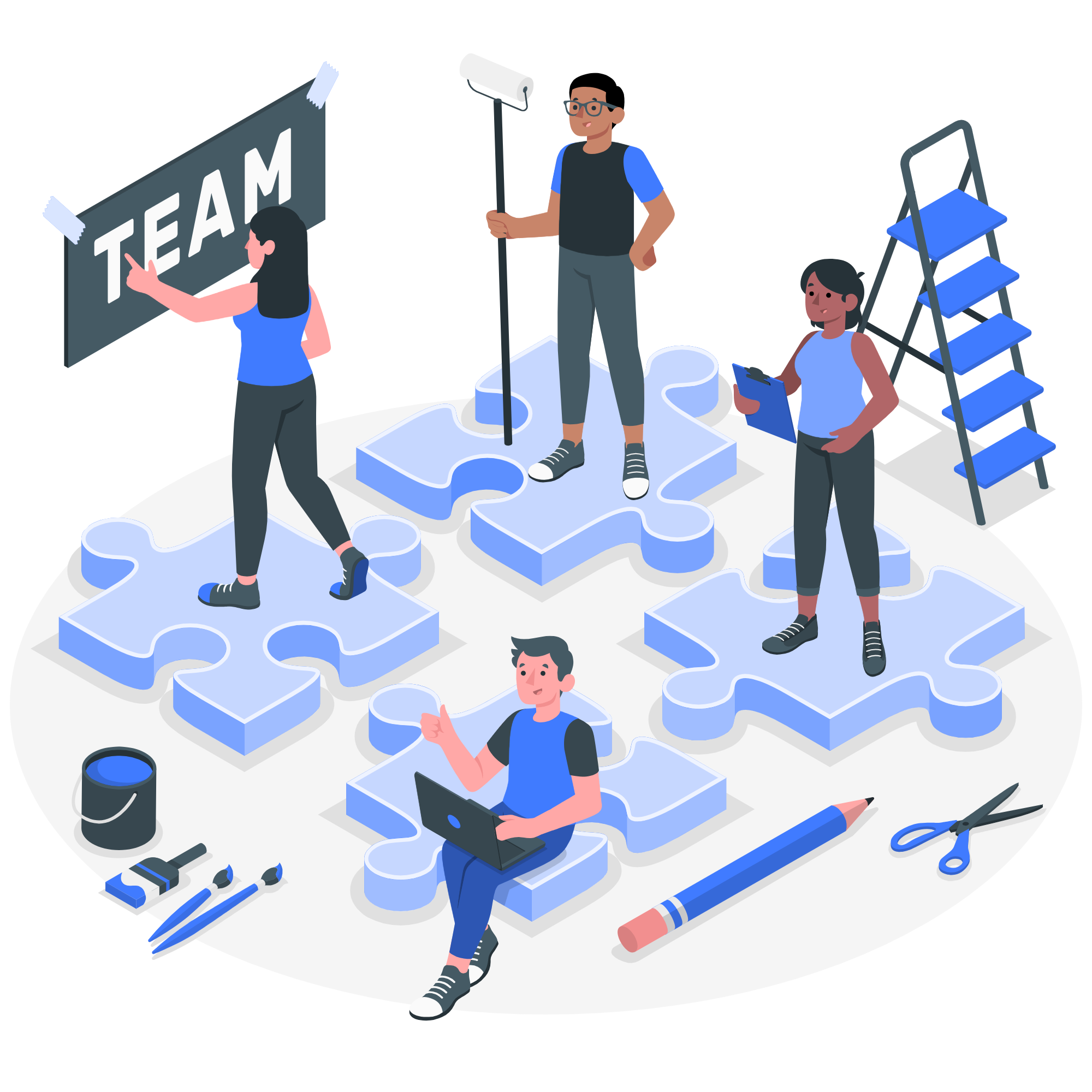
Effective collaboration with healthcare teams, conflict resolution strategies, building trust within teams, and leveraging individual team strengths.

Decision-making under pressure, creative problem solving, identifying root causes of issues, and proactive problem prevention.

Effective scheduling, task prioritization techniques, avoiding burnout through better time management, and delegation skills.
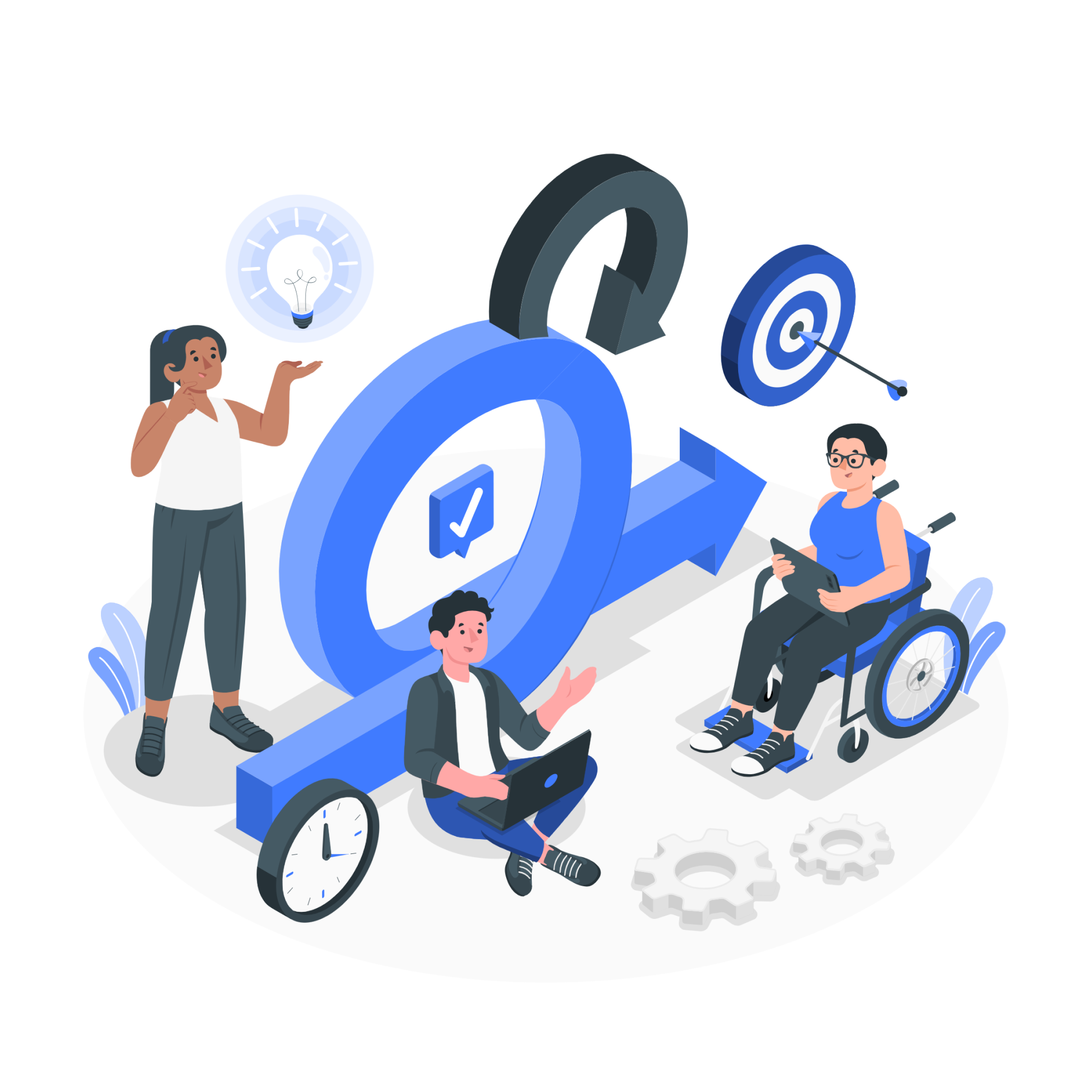
Handling change in healthcare settings, resilience and coping mechanisms, flexibility in managing varied tasks, and adapting to new technology and processes.

Inspiring and guiding team members, leading by example, motivating through recognition, and building a culture of ownership.

De-escalating conflicts with patients or team members, negotiating with diplomacy, assertiveness without aggression, and understanding different conflict styles.